




In conversations with executives, we often return to one central point: AI doesn’t fix broken operations. It reveals them, often faster and at a greater scale than teams expect.
Duplicate contacts in your CRM prompt AI to send outreach to both records. When two teams define deal stages differently, the technology reports on both definitions as though they are equally reliable. AI also skips approval steps that exist only in an employee’s knowledge because the documented workflow does not include them.
These examples do not argue against artificial intelligence for business. Instead, they demonstrate why organizations need to follow the right implementation sequence. Companies that generate measurable value from AI establish strong governance and prepare the data each workflow requires before scaling the technology. The following guide explains what those foundations involve and how to build them without turning readiness into a year-long initiative.
How AI amplifies existing operational problems
Every operational process contains flaws, and employees often compensate for them without documenting the adjustment. A sales representative checks an address because the “West region” field is unreliable. Before every customer kickoff, a customer success leader corrects incomplete handoff notes. These informal workarounds keep operations moving, even though they rarely appear in process documentation.
AI follows the process and data it receives without applying that same institutional knowledge. When teams introduce it into a flawed workflow, the technology repeats those flaws faster and at a greater volume. An issue that once affected one customer email each month could begin affecting dozens each day.
That amplification explains why simply adding AI to an existing process does not produce reliable improvement. AI scales both the strengths and weaknesses of the operation, making it essential to understand what the technology will act on before implementation.
Shadow AI is already here. Now what?
Before designing a formal AI program, recognize that employees are probably already using the technology without approval or oversight. A sales representative pastes prospect emails into a personal ChatGPT account, a marketer uploads a customer list to a segmentation tool, and a browser extension reads pages inside your CRM. These employees are trying to work faster, not create risk, which makes shadow AI difficult to address.
A blanket ban rarely stops this activity. Instead, employees move it to personal accounts and devices, leaving the organization with even less visibility. Restrictive policies also discourage the initiative that often reveals valuable opportunities for automation.
A more effective response includes three steps:
Inventory current use. Ask employees which tools they use and why without assigning blame. Their answers will reveal risks and identify use cases with demonstrated demand. Those use cases provide a practical starting point for building a measurable business case for AI.
Provide sanctioned alternatives. Offer approved tools that address common use cases and remain as convenient as the unapproved options.
Create clear data rules. Publish a one-page guide defining what must remain in managed systems, including customer PII, contracts, and financial data. Clarify acceptable uses for public information and anonymized drafts, along with whom employees should contact with questions. Keep the guidance to one page so employees can read, remember, and apply it instead of burying the rules in a 40-page policy they are unlikely to use.
What data readiness actually means
Preparing your data for AI does not require cleaning every record and field in your CRM. In HubSpot, the work usually centers on four issues that directly affect the target workflow.
Duplicates. When one company exists as three records, AI acts on all three. Resolving duplicate records is one of the highest-value data tasks before automating outreach.
Stale lifecycle and deal stages. If the “SQL” stage includes leads that no one has contacted in eight months, AI uses that inaccurate classification to prioritize, score, and report. Stage definitions must reflect how the organization operates today.
Empty fields on the critical path. AI needs complete information for the workflow it supports. Renewal outreach, for example, depends on accurate renewal dates, account owners, and account statuses. Audit the fields the workflow uses and leave unrelated fields for later.
Meaning drift. Populated fields still create problems when employees use them inconsistently. If each representative interprets “closed-lost reason” differently, AI cannot distinguish reliable information from individual judgment.
Across all four areas, aim for data that is reliable enough for the workflow you plan to automate. Renewal outreach requires trustworthy renewal data, but it does not require your team to reconcile event leads from 2019. Scoping cleanup around one workflow turns a broad data initiative into a focused effort that teams often complete within a few weeks. That approach also forms the foundation of effective HubSpot data architecture work.
AI governance that supports responsible progress
AI governance often sounds like a process that sends every experiment through months of review. Poorly designed governance creates those delays, but a practical approach uses four controls based on the risk of each workflow.
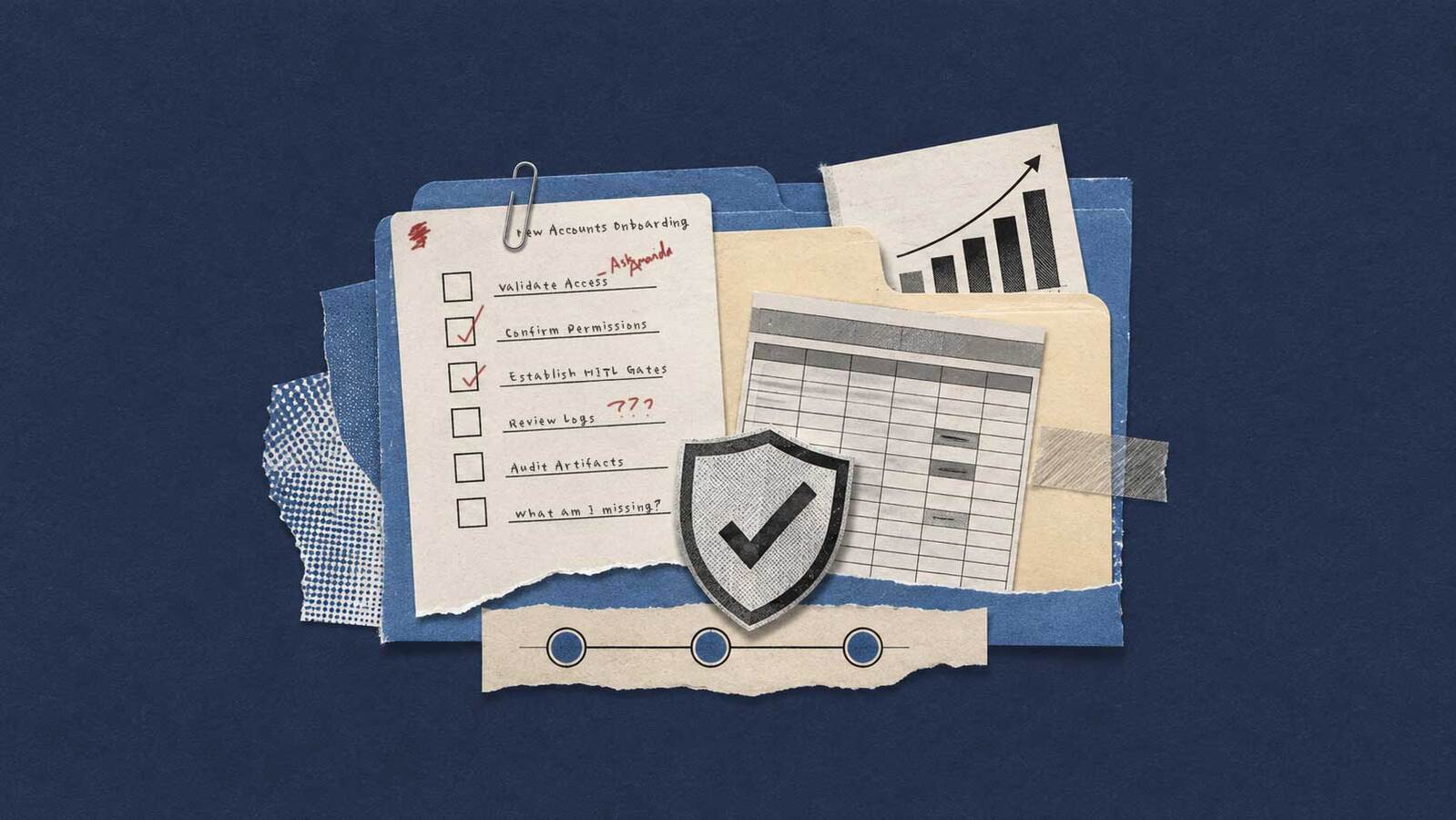
- Access and permissions. Control which tools access specific types of data through system permissions rather than written reminders. If AI should not read financial information, do not give it credentials that provide access.
- Human review gates. Require approval for high-stakes outputs such as customer communications, pricing, and contracts. Allow lower-risk work, including internal summaries and drafts, to move forward without unnecessary review.
- Logging. Record each action AI takes, including updating a field, sending a message, or moving a deal stage. A clear activity log allows your team to identify the source of a problem and correct it quickly.
- Fallback paths. Route work to an employee when AI becomes unavailable, produces an incorrect result, or lacks enough information to proceed. A defined fallback keeps the workflow moving and prevents silent failures.
Apply these four controls to each workflow and document them where employees complete the work. Most mid-market organizations can manage this level of governance without adding staff or creating a separate review board.
A realistic 90-day sequence
You do not need a dedicated transformation office to establish stronger AI governance and data readiness. A focused 90-day sequence gives your team a practical starting point:
- Weeks 1–2: Inventory current shadow AI use and publish a one-page guide to data handling.
- Weeks 3–4: Select one workflow where employees already show demand for AI, then map how the work moves today.
- Weeks 5–8: Improve the data that supports the workflow and establish the four governance controls around it.
- Weeks 9–12: Implement the workflow, log AI activity, and measure performance against the baseline before expanding to the next opportunity.
Organizations that continue this approach build a growing portfolio of governed, measurable AI workflows and make readiness part of everyday operations. Skipping these steps allows AI to accelerate the problems already present.
Find out what your operations would reveal
When AI exposes gaps in your operations, discovering them through a controlled assessment gives your team time to address them before they affect customers.
Our AI Operational Readiness Assessment evaluates your workflows, systems, data, governance, and current shadow AI use. Instead of recommending a list of tools, we deliver a practical roadmap that prioritizes the actions your organization should take first. As a 21x HubSpot Impact Award-winning Elite Solutions Partner, we understand the revenue operations foundation required to implement AI effectively.
Request the assessment to understand where your organization stands and address operational gaps on your terms.
